Seasonal Real Estate Investment Strategies: What Texas Investors Should Know


Understanding Seasonal Trends in Texas Real Estate
For investors, understanding the seasonal dynamics of the Texas real estate market can be crucial to maximizing returns. The state's diverse climate and economic landscape contribute to unique patterns that savvy investors can leverage. Whether you're a seasoned investor or new to the market, recognizing these patterns is essential for strategic decision-making.
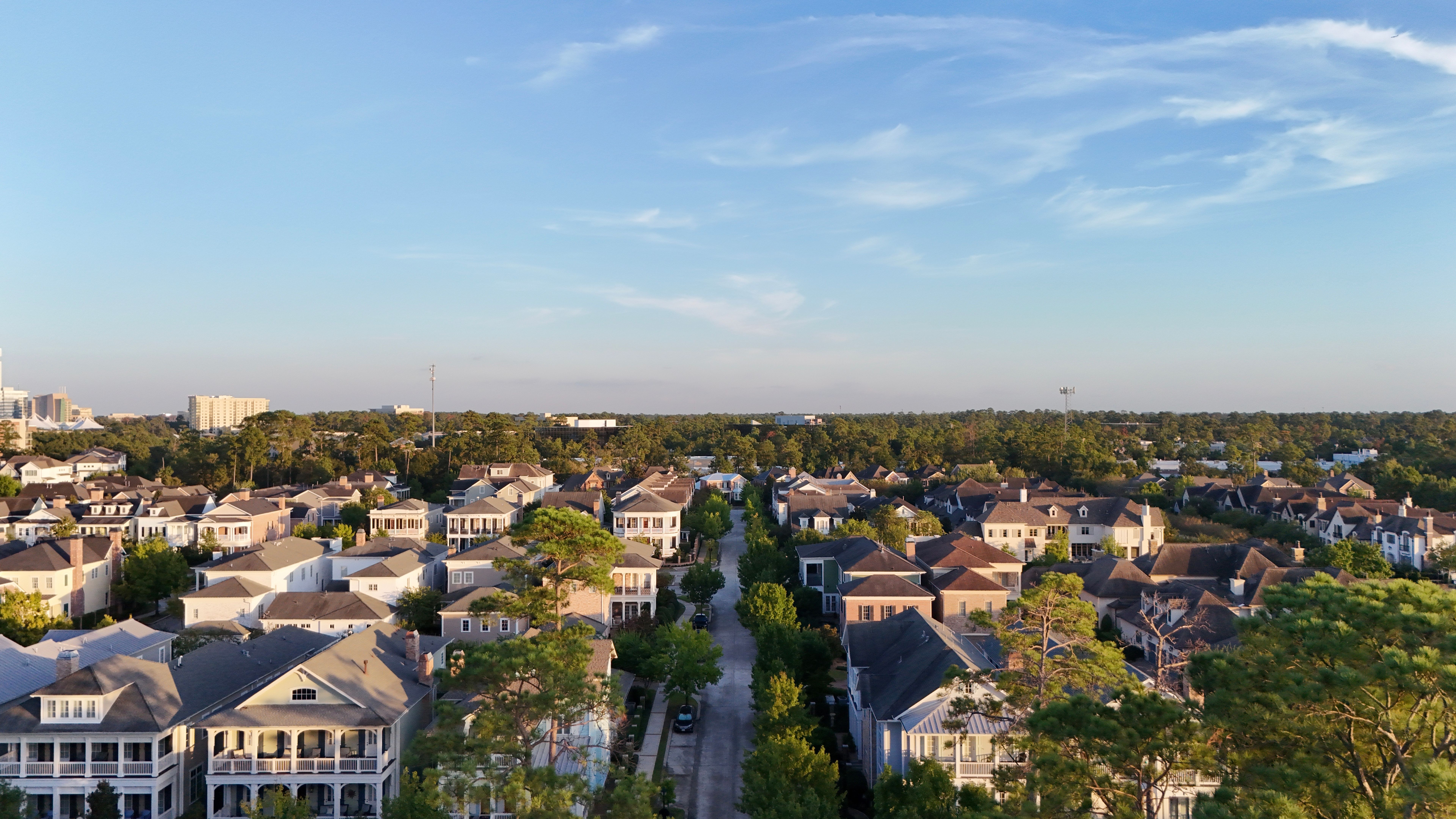
In Texas, the real estate market often heats up during the spring and summer months. Warmer weather and longer days encourage more buyers to explore properties. This increased activity can lead to higher property prices and more competitive bidding. However, investors should be cautious and avoid overbidding during these peak times.
Taking Advantage of Off-Peak Seasons
Winter and fall present opportunities for investors looking to capitalize on less competitive market conditions. During these seasons, there are generally fewer buyers, which can result in price reductions. Investors can negotiate better deals and potentially acquire properties at a lower cost.
For those interested in rental properties, entering the market during off-peak seasons can also mean securing leases with tenants who move for school or employment reasons. This can lead to consistent rental income throughout the year.

Location-Specific Strategies
Texas is vast, with regions that vary significantly in climate and economic conditions. For example, the real estate market in Austin may differ from that in Houston or Dallas. Understanding the specific regional trends is essential for making informed investment decisions.
In rapidly growing areas like Austin, demand can remain high year-round. Investors might focus on long-term growth and appreciation. Conversely, in areas with more seasonal fluctuations, timing purchases during slower months could yield better entry points.

Adapting to Market Changes
Real estate markets are subject to change based on economic factors, interest rates, and local developments. Investors should stay informed about market forecasts and economic indicators that might affect property values. Adapting strategies based on these insights can enhance profitability.
Utilizing tools like market analysis reports and working with local real estate agents can provide valuable insights into upcoming trends and shifts. This proactive approach allows investors to make well-timed decisions that align with their investment goals.
Conclusion: Strategic Planning for Success
Ultimately, success in Texas real estate investment requires a blend of timing, location knowledge, and adaptability. By understanding seasonal trends and market dynamics, investors can position themselves to make informed and profitable decisions. Whether targeting residential properties or commercial investments, a strategic approach will help navigate the diverse Texas market effectively.
Investors should continually educate themselves and consider consulting with real estate professionals to refine their strategies. With the right approach, Texas offers abundant opportunities for those ready to seize them.